

Hidden attic moisture is a real threat to the integrity of your home, especially during the wet and humid months common across Arkansas. Homeowners in areas like Little Rock, Fort Smith, Conway, Benton, Bryant, Ward, Austin, and Searcy are no strangers to frequent rainstorms and fluctuating temperatures, which can exacerbate roofing vulnerabilities. One of the most overlooked sources of attic moisture is improper or damaged chimney flashing. When flashing is not sealed correctly, small gaps can form and allow water to seep in, leading to costly repairs, indoor air quality issues, and even structural damage over time. Here’s how you can spot trouble, understand your options, and plan ahead.
Understanding Chimney Flashing and Its Role
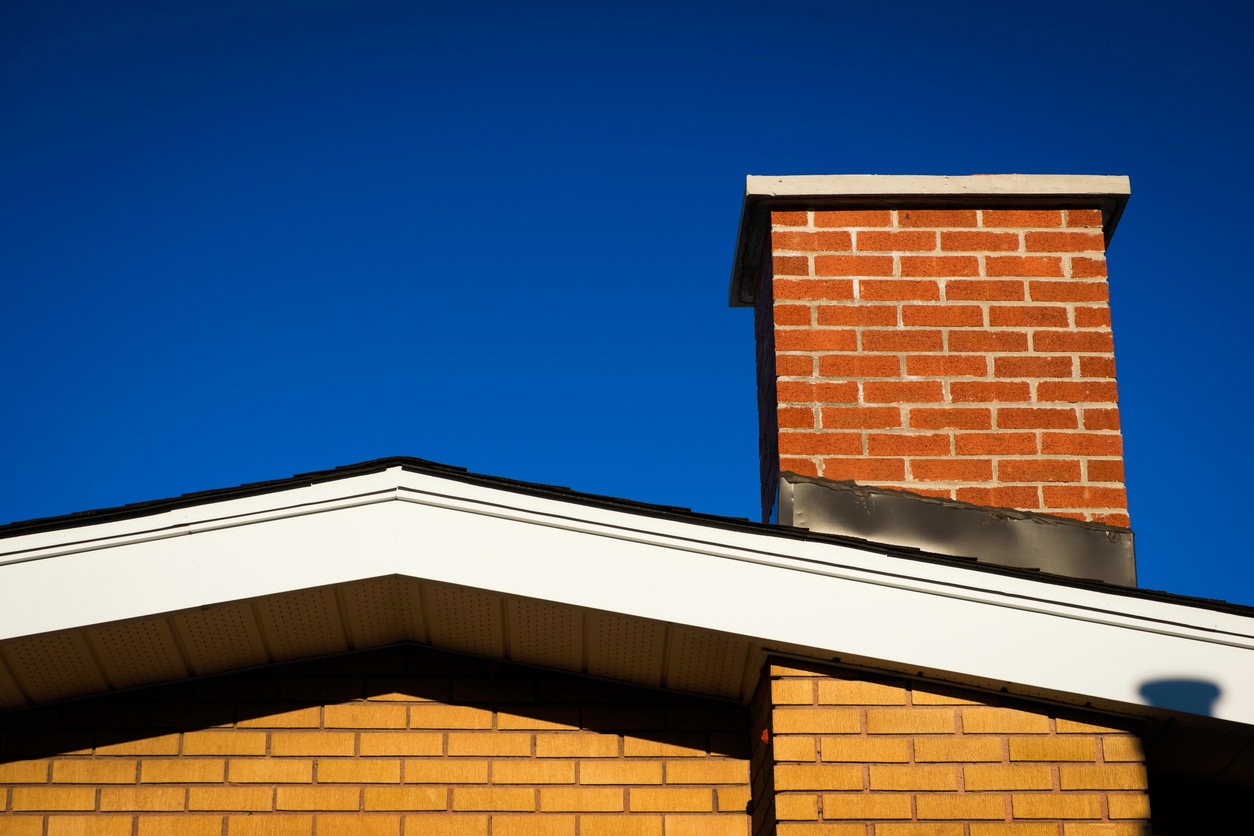
Chimney flashing is a metal barrier that directs water away from the area where your chimney meets the roof. In Arkansas, seasonal storms and rapid temperature shifts can cause flashing to expand, contract, or even crack, allowing water to penetrate the attic space. When chimney flashing is compromised, moisture makes its way inside and remains undetectable until it has caused considerable damage. This can undermine insulation, support mold growth, or even rot wooden framing.
Warning Signs of Chimney Flashing Gaps
Identifying flashing issues early can save you extensive repairs. Key warning signs of a potential problem include:
-
Water stains on attic rafters or ceilings near the chimney area
-
A musty odor in the attic, especially after heavy rain
-
Peeling paint or bubbling plaster around the chimney breast
-
Visible rust or corrosion on flashing material viewed from the roof
It is important to check these signs both after storms and as part of your seasonal home maintenance, particularly given how severe the weather can be in central Arkansas.
Inspection and Maintenance Options
Homeowners can perform a basic visual inspection, but most chimney flashing gaps require professional assessment. A qualified roofer will examine both the visible flashing and underlying roof decking, using moisture meters and specialized tools to spot hidden trouble. Professional maintenance might include resealing with high-quality caulks, replacing damaged metal sheets, or re-configuring the way flashing meets shingles for better water flow.
When scheduling roof maintenance, ask the following questions:
-
Do you offer moisture testing as part of the inspection process?
-
Can you provide examples of similar repairs performed in Arkansas?
-
Are you licensed and insured for chimney and roofing repairs in my area?
Selecting a local contractor familiar with Arkansas’s climate ensures you receive seasonally appropriate solutions that comply with local construction codes.
Planning for Prevention: Best Practices
The ideal time for preventive maintenance is before peak storm season, though post-storm inspections are also beneficial. Consider these steps:
-
Schedule annual roof inspections, focusing on joints and flashing
-
Use only reputable, local professionals who understand unique Arkansas weather conditions
-
Upgrade to more durable flashing materials if frequent issues are detected
Homeowners who act promptly can avoid secondary concerns like attic mold or ceiling leaks. Preventive steps preserve property value and interior comfort, especially in homes with brick or stone chimneys that naturally undergo expansion and contraction cycles.
Time to Get Professional Help?
If you are noticing any of the warning signs or want peace of mind before the next Arkansas thunderstorm rolls through, reaching out to a roofing specialist is the safest choice. Experienced teams know exactly what to look for and how to resolve flashing gaps efficiently, minimizing disruption to your home life.
Contact Titan Roofing & Construction Today
Are you in Little Rock, Fort Smith, Conway, Benton, Bryant, Ward, Austin, Searcy, or any surrounding Arkansas community and concerned about chimney flashing or hidden attic moisture? Titan Roofing & Construction provides comprehensive roof repairs, chimney flashing repair, and exterior services, ensuring your home is protected year-round. To book an assessment, call (501) 476-7663 or fill out our online form today.